
When: October 3rd
Each year, National Butterfly and Hummingbird Day flutters onto the calendar on October 3rd, bringing with it a colorful celebration of two of nature’s most magical pollinators.
Whether you love gardening, birdwatching, or simply sipping tea in the sunshine, this day offers a heartwarming reason to slow down and enjoy the beauty of butterflies and hummingbirds.
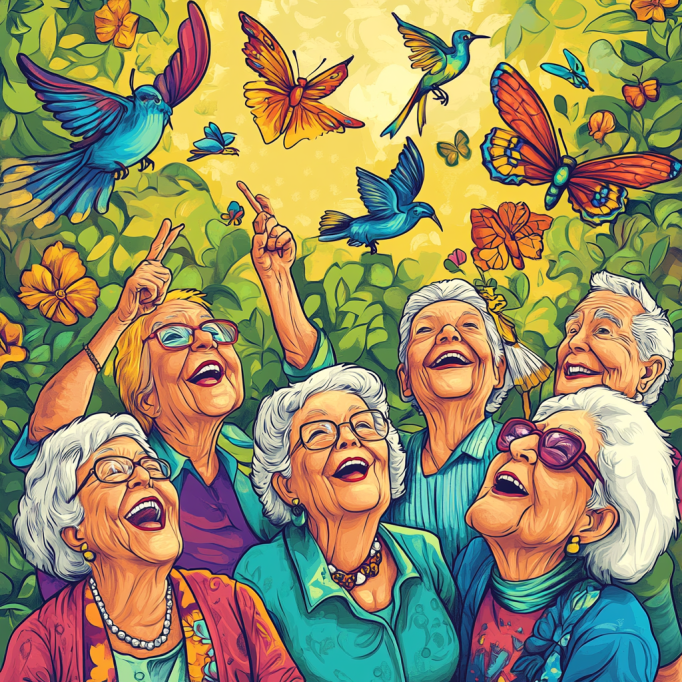
For older adults and family caregivers, it’s also a delightful way to connect with nature, awaken memories, and enjoy gentle outdoor moments that nourish the soul.
History Of National Butterfly and Hummingbird Day
National Butterfly and Hummingbird Day is celebrated annually on October 3rd.
While the exact origins of this October holiday are not well-documented, its purpose is clear: to raise awareness about the vital roles that butterflies and hummingbirds play in our ecosystems.
These creatures are not only admired for their beauty but also recognized for their essential contributions to pollination and biodiversity.
Butterflies and hummingbirds are indispensable pollinators, facilitating the reproduction of countless plant species.
Hummingbirds, with their specialized long beaks and tongues, are particularly adept at pollinating tubular flowers that other pollinators cannot access.
Butterflies, on the other hand, are attracted to brightly colored, daylight-blooming plants with flat landing surfaces, making it easier for them to feed on nectar and, in the process, transfer pollen.
Beyond their ecological roles, both butterflies and hummingbirds captivate us with their unique behaviors and characteristics.
Hummingbirds are renowned for their extraordinary flight capabilities, including hovering and flying in all directions, thanks to their rapid wing beats ranging from 50 to 80 times per second.
They possess the highest metabolism among warm-blooded animals, necessitating frequent feeding on nectar and insects to sustain their energy levels.
Butterflies, with their vivid colors and intricate wing patterns, serve not only as pollinators but also as indicators of environmental health.
Some species undertake remarkable migrations; for instance, monarch butterflies travel thousands of miles from North America to Central Mexico to escape cold winters—a feat that underscores their resilience despite their delicate appearance.
National Butterfly and Hummingbird Day serves as a reminder of the importance of conserving these species and their habitats. Threats such as habitat loss, climate change, pesticide use, and invasive species pose significant challenges to their survival.
By celebrating this day, we acknowledge the need to protect these pollinators, ensuring they continue to grace our gardens and natural landscapes for generations to come.
Importance Of National Butterfly and Hummingbird Day For Seniors
Celebrating National Butterfly and Hummingbird Day isn’t just whimsical—it’s wonderfully therapeutic for older adults. Engaging with nature has been shown to reduce stress, improve mood, and stimulate the senses.
Watching a butterfly land on a blossom or a hummingbird hover near a feeder can evoke feelings of calm, wonder, and joy.
For seniors with memory loss or cognitive challenges, nature-based activities like birdwatching or planting butterfly-friendly flowers can bring moments of clarity, connection, and delight.
And for caregivers, it offers a shared experience that is simple, beautiful, and meaningful.
This day is also a great way to promote gentle movement, whether it’s walking through a garden or preparing nectar for feeders. Nature doesn’t rush—and neither do butterflies or hummingbirds. That makes this the perfect pace for seniors to enjoy.
Tips On How Older Adults Can Celebrate National Butterfly and Hummingbird Day
1. Set Up a Butterfly and Hummingbird Watch Station
Place a comfy chair near a window or outside in a shaded spot. Add a feeder filled with homemade hummingbird nectar (1 part sugar to 4 parts water, no red dye!), and watch the show begin.
2. Plant a Pollinator Patch
Even a small container garden can become a butterfly and hummingbird haven. Choose plants like bee balm, lavender, zinnias, and salvia. Seniors who enjoy gardening can make this a gentle hands-on activity.
3. Make Butterfly Crafts
Create paper butterflies to hang in a sunny window or decorate a wall. This is a lovely activity for seniors in assisted living or those who prefer indoor crafts.
4. Listen to Nature Sounds
Can’t get outside? Play videos or soundtracks of hummingbirds and outdoor garden scenes. For seniors with limited mobility, this brings the outside world in with calming effect.
5. Take a Walk in a Butterfly Garden
If there’s a local botanical garden or butterfly conservatory nearby, make a day of it. Bring a camera or notebook for drawing and note-taking. Many places offer senior discounts and wheelchair access.
6. Share Memories and Stories
Ask older loved ones about their favorite nature memories. Did they ever see a hummingbird nest? What flowers did their mother plant in the yard? Sharing these stories connects generations and brightens the day.
7. Host a Butterfly-Themed Tea Time
Set the table with floral napkins, pour some herbal tea, and nibble on butterfly cookies. Add a vase of wildflowers or play music with gentle flutes and chirping birds. It’s a sensory celebration in your own living room.
Items Related To This Holiday


- 2026 Limited Edition Cardinal Butterfly Hummingbird Bracelet: Choose From Butterfly Blessing, Cardinal Messenger Of Love, Or Spring Garden Hummingbird. Each Design Carries A Heartfelt Message Of Hope, Healing, Remembrance, Love, Peace, And New Beginnings. A Beautiful Reminder That Even Life’S Most Difficult Seasons Can Lead To Growth, Comfort, And Joy
- Premium Materials: Crafted With Premium Natural Stone Beads And Detailed Alloy Spacers, This Inspirational Bracelet Combines Soft Pastel Colors With Charming Symbolic Artwork. The Centerpiece And Matching Charm Create A Unique Keepsake That Is Both Fashionable And Meaningful
- Comfortable Fit: The Hummingbird Bracelet Features A Sturdy Elastic Rope Design, Making It Easy To Wear. This Butterfly Bracelet Has A Circumference Of Approximately 17 Centimeters (6.7 Inches) And Can Comfortably Stretch To Fit Most Women’S Wrists. Weighing Only 34 Grams, It Is Very Suitable For Daily Wear

- Pollinator Seed Mix: This Blend Of Wildflower Seeds Will Attract Beautiful Hummingbirds And Butterflies To Your Outdoor Garden And Feed Them All Season Long; Blooms In Spring, Summer, And Fall Until Frost
- Vibrant Wildflowers: Grow A Mix Of Sun-Loving Annual And Perennial Wildflowers; Each Bag Contains 18 Flower Varieties: Butterfly Milkweed, Calendula, Cornflower, Plains Coreopsis, Cosmos, Foxglove, And More
- 25,000 NON-GMO Seeds: Easy-To-Sow Hummingbird And Butterfly Seed Mix Covers Up To 1,000 Square Feet And Is Ideal For Most Soil Types; Select A Sunny Area To Scatter The Seed Outdoors For Planting After Danger Of Heavy Frost
This article has affiliate or sponsored links. If you buy something through those links we may earn a small commission. This won’t cost you extra. We only recommend things we really think are good, not just to make money. For more details, see our Affiliate Disclaimer.